 MENU
MENU
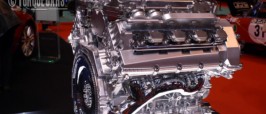
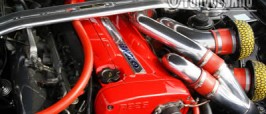
Engine swaps and transplants. "Insane engine swaps" A popular modification with Torquecars members involves a complete engine swap and remains […]
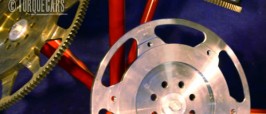
Clutch tuning: performance clutch modifications and triple plate clutches setup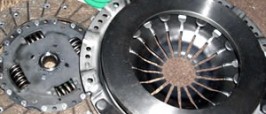
The clutch takes the engine power, and puts this down through the drive shaft, to the driven wheels on the road but allows you to disengage the engine whilst performing a gear change.
Contact like this requires a lot of grip and a fast response. The more power you have the harder it is for the clutch to operate.
Alloy wheels and their impact on handling and performance.
Some rally style alloy wheels are lighter – (less weight = more speed) and also are designed to increase the cooling of the brake disks.
Some designs hold up better to being curbed than others and some break very easily when hitting a pothole or curb at speed.
Always go for the best quality alloy wheel that you can afford and read the reports and reviews. If you do go for a different overall size you must get the suspension and tracking realigned to avoid uneven wear under acceleration.
Chip Tuning – better engine management.
The days of fiddling around in the engine bay with a spanner to make the car go faster are numbered.
Modern engine computers (ECU’s) take over many of the controls of all aspects of engine management from timing to fuelling and more.
This actually means you get better power, a cleaner burn and more reliable engine but it does not mean the end of tuning.