
 MENU
MENU

Performance gains are possible with the addition of bonnet vents.
Warm air really does kill performance. This is due to the air intake temperatures being hot and air at high temperatures carries less oxygen.
When driving an engine hard the under bonnet temperatures quickly build up and the engine has no choice but to suck this air in reducing your power.
Tyres and tread patterns for High performance cars
Performance tyres, selection and tyre tread patterns. "If you're feeling tyred!" The importance of your cars tires should never be overlooked. A […]
Superchargers – A guide to supercharger kits benefits vs disadvantages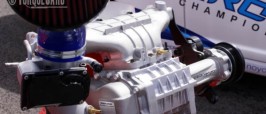
Superchargers offer the promise of substantial power gains with very few drawbacks. So lets look at the growing popularity of supercharger kits and see what its all about.
A supercharger is quite simply an air compressor which helps push more air into an engine. These are driven by a belt from the engine effectively creating pull on the engine sapping up to 30% of the engines power.
Fitting a remote turbo charger kits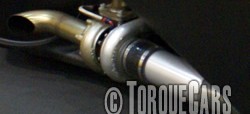
Remote turbo charger kits "Remote turbo – local power" There is a growing trend in the car tuning community of […]