 MENU
MENU

We look at how spoilers work? We also explain the difference between a spoiler and a wing. Spoilers are generally closer to the body of the car and help diffuse the air.
Wings are mounted much higher up and have an aerodynamic effect of creating downforce
Alloy wheels and their impact on handling and performance.
Some rally style alloy wheels are lighter – (less weight = more speed) and also are designed to increase the cooling of the brake disks.
Some designs hold up better to being curbed than others and some break very easily when hitting a pothole or curb at speed.
Always go for the best quality alloy wheel that you can afford and read the reports and reviews. If you do go for a different overall size you must get the suspension and tracking realigned to avoid uneven wear under acceleration.
Improve safety and braking of your car
Safety Mods "Play it safe." When one starts modifying a car, little thought is usually given to the safety of the […]
High performance valve springs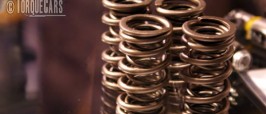
The valves are like the doorways into the engine and control the flow of the intake air and fuel and then after combustion they control the exit of the exhaust gases.
As you can guess the valve springs work incredibly hard, and as you increase the power of your engine the valve choice is vital.
TorqueCars will now take a look at the many considerations taken into account when selecting valve springs.