
 MENU
MENU
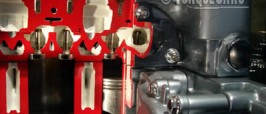
Careful selection of your internal engine tuning modifications can lift your engine from a purring kitten into a roaring lion!
While it is tempting to throw in every modification you can, it’s worth noting that not all mods work well together. This is something we cover in our articles as we steer you to the right decision on mods for your car.
What is an induction kit and what does it do.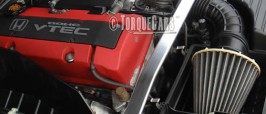
As induction kits are probably one of the most popular modifications for car tuning projects we thought we should add a introductory article to explain what they are, what they do and the theory behind them.
An induction kit is quite simply an air filter. Most cars have air filters mounted in an air box. These filters are generally constructed of paper which filters out the particles from the air and prevents these from getting into the engine. The airboxes are designed to reduce the noise of the engine and have various vanes and angles cut to maximise this noise reduction.
Flywheel lightening & performance gains from lighter flywheels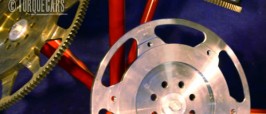
Flywheel lightening and its impact on engine performance. "No Fly(wheels) on us." Lightening the flywheel – the flywheel works […]
Fitting Strut Braces and installation of brace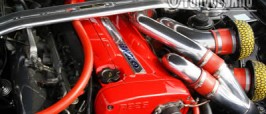
Fitting a strut brace and performance benefits "Strut your funky stuff" Think of a car like a shoebox with no […]
Todays featured car modification articles




Fuel Octane Ratings
Fuel octane ratings RON, MON, AKI RdON and PON explanation and compared. More...