 MENU
MENU

Safety Mods "Play it safe." When one starts modifying a car, little thought is usually given to the safety of the […]
Increase engine displacement with a rebore.
You can increase the power of an engine by increasing its capacity. This is a fairly involved process and requires a good deal of research and preparation. Unless you want to have to retrace your steps and go a different route midway in to the job.
Some of TorqueCars.com members have had their engines rebored ,and this does seem a good way to increase power. However there are a few things we should take into account.
Twin scroll turbosWe look at the advantages of twin scroll turbos, discuss how they work and how to set them up. People have used twin turbos in the past to address many of the problems you hit with a single turbo and the twin scroll turbo offers a neat drop in upgrade and provides many advantages.
Fuelling uprating the fuel pump, injectors and fuel pressure regulator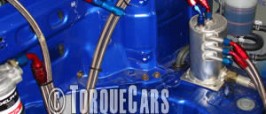
Fuel systems "A car with a drink problem!" Cars need a precise mix of oxygen and fuel to burn effectively. […]